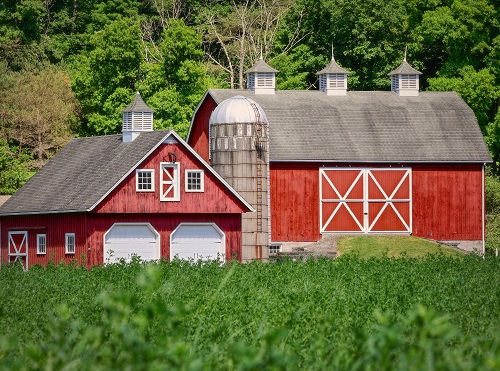

A well-designed farm shed is more than just a covered structure for storing equipment. On rural and agricultural properties, the right shed can become an essential part of everyday operations, providing secure space for machinery, vehicles, tools, livestock supplies and general farm storage. It can also help protect valuable assets from harsh Australian weather and make a property easier to manage.
Choosing the right shed, however, requires more thought than simply selecting the largest structure that fits the available space. Factors such as the purpose of the shed, site conditions, access requirements, ventilation, durability and future needs all influence the final design.
Whether you operate a working farm, manage a rural property or simply need additional storage, understanding the key considerations can help you make a practical long-term investment.
Why a Well-Designed Farm Shed Matters
Agricultural equipment is often expensive, bulky and exposed to demanding conditions. Leaving machinery, vehicles and tools outdoors can increase exposure to rain, wind, dust, sunlight and moisture.
A properly planned shed provides a dedicated area where equipment can be stored safely while keeping the property organised.
A quality farm shed can be useful for:
- Storing tractors, trailers and other machinery
- Protecting vehicles from weather exposure
- Keeping fertilisers, tools and farming supplies organised
- Providing workshop space for maintenance and repairs
- Storing hay, feed and general agricultural materials
- Creating covered areas for seasonal equipment
- Supporting future expansion of farm operations
The best design is not necessarily the biggest one. It is the structure that suits how the property is actually used.
Choosing Farm Sheds Based on Their Purpose
Before discussing dimensions, materials or finishes, think carefully about what the shed needs to do.
A storage shed may have very different requirements from a machinery workshop. Similarly, a shed used for agricultural equipment may need larger openings and stronger access arrangements than one used mainly for general storage.
Machinery Storage
If the primary purpose is machinery storage, allow enough room for equipment to enter, leave and manoeuvre comfortably.
Measure the length, width and height of existing machinery, then consider the equipment you may purchase in the future. A shed designed around today’s tractor might become inconvenient if a larger tractor or attachment is purchased later.
Allow additional clearance around machinery for:
- Opening doors and access panels
- Routine maintenance
- Safe movement around equipment
- Moving attachments
- Parking trailers or implements
Workshop and Maintenance Areas
A workshop-style shed requires more than floor space. You may need workbenches, shelving, electrical outlets, lighting and ventilation.
Consider where equipment will be repaired and whether machinery can be moved directly into the workspace. Separating storage and maintenance areas can also make the shed easier to keep organised.
General Farm Storage
For feed, tools, fencing materials and other supplies, internal organisation becomes especially important.
Shelving, storage racks and designated areas can prevent the shed from becoming cluttered. Keeping frequently used items close to accessible doors can also save considerable time during busy periods.
Important Factors to Consider Before Building
A shed should be planned around the property rather than treated as an isolated structure. Several practical considerations can affect its performance and usability.
1. Site Selection
Start by identifying the most suitable location on the property.
Think about how machinery currently moves around the site and where deliveries or loading activities take place. A shed positioned too far from frequently used areas may create unnecessary travel, while a structure in a difficult-to-access location can make large machinery movements frustrating.
Also consider:
- Ground conditions
- Drainage
- Natural water flow
- Access roads
- Turning space
- Existing buildings
- Power and water requirements
- Future development of the property
Good site planning can make a significant difference to the shed’s long-term usefulness.
2. Shed Dimensions
Measure your current equipment carefully, but avoid designing solely around what you own today.
Think about how your property may change over the next five or ten years. Larger machinery, additional vehicles or expanding agricultural activities could quickly make an undersized shed restrictive.
Create a simple equipment list before discussing dimensions:
- Tractor dimensions
- Trailer dimensions
- Vehicle dimensions
- Implements and attachments
- Workshop equipment
- Storage requirements
- Required walkway space
This makes it easier to identify how much usable floor area you actually need.
3. Access and Door Configuration
Large equipment requires appropriately sized access points. Door placement should also support efficient movement through the building.
Think about the direction machinery approaches the shed and whether equipment needs to drive straight through or turn inside.
Multiple access points can sometimes improve efficiency, particularly for larger agricultural properties. However, every opening should be considered alongside the structural design and the intended use of the building.
Materials and Durability Matter
Australian rural properties can experience strong winds, intense sunlight, heavy rainfall and changing temperatures. Shed materials therefore need to be selected with the local environment and intended use in mind.
Steel construction is widely used for agricultural buildings because it can provide a combination of strength, durability and relatively straightforward maintenance.
The quality of the design and installation is just as important as the material itself. A shed needs to be appropriately engineered for the conditions in which it will operate.
For properties exposed to demanding weather, discuss factors such as wind loads, corrosion protection, drainage and roof design with an experienced shed supplier or qualified professional.
Ventilation and Natural Light
A farm shed does not have to be dark and poorly ventilated.
Good airflow can make a substantial difference when people are working inside the building or when equipment and materials are being stored for extended periods.
Ventilation can help reduce heat and moisture accumulation, while suitable natural lighting can make the internal space more practical during the day.
Depending on the intended use, consider:
- Ventilation openings
- Roof ventilation
- Windows or suitable wall openings
- Natural daylight
- Artificial lighting
- Air circulation around stored equipment
A workshop in particular benefits from a comfortable and well-lit working environment.
Designing for Safety and Convenience
A shed should make everyday work easier, not create additional hazards.
Keep pedestrian pathways clear and provide sufficient space between stored machinery, tools and other materials. Heavy equipment should be positioned so that it can be accessed without unnecessary manoeuvring.
A useful planning checklist includes:
- Sufficient clearance around machinery
- Safe pedestrian access
- Appropriate door sizes
- Adequate lighting
- Good ventilation
- Secure storage areas
- Suitable drainage
- Safe electrical planning where required
- Clear emergency access
It is also important to follow applicable Australian building requirements, planning rules and local council requirements before construction begins.
Pros and Cons of Investing in a Farm Shed
Like any significant property improvement, installing a shed has advantages and considerations that should be weighed before making a decision.
Advantages
- Protects valuable machinery and equipment
- Creates organised storage space
- Provides a dedicated workshop area
- Can improve day-to-day farm efficiency
- Helps keep equipment cleaner and better protected
- Provides flexibility for future property needs
- Can add practical value to a rural property
Potential Considerations
- Initial construction costs can be significant
- Site preparation may add to the overall budget
- Larger structures require careful planning
- Council or other approvals may apply
- Poor design can result in wasted space
- Future requirements should be considered before construction
The goal is to balance the initial investment against the practical benefits the building will provide over many years.
How to Plan Your Shed Step by Step
If you are unsure where to begin, use a simple planning process.
Step 1: Identify the Main Purpose
Write down exactly what you want the shed to accommodate. Avoid vague descriptions such as “extra storage”. List the machinery, vehicles, materials and activities that will take place inside.
Step 2: Measure Everything
Measure your largest equipment and include height as well as length and width. Remember to account for doors, attachments and operating clearances.
Step 3: Consider Future Needs
Ask what could change in the next few years. Purchasing larger machinery or expanding farm activities may require more space than you initially expect.
Step 4: Assess the Site
Look at vehicle access, ground conditions, drainage, existing buildings and available space. Consider how the shed will fit into the property’s overall layout.
Step 5: Plan Internal Organisation
Decide where machinery, tools, materials and work areas will be positioned. Efficient internal organisation can make a relatively simple shed significantly more useful.
Step 6: Discuss the Design With Professionals
An experienced shed supplier can help identify practical structural and design considerations that may not be obvious during the initial planning stage.
For property owners looking at purpose-built agricultural storage, Farm Sheds can provide a useful starting point for exploring suitable shed solutions.
Common Mistakes to Avoid
Some shed problems are caused by decisions made before construction even begins.
Choosing the Smallest Possible Size
Saving money by reducing the shed footprint can become expensive if the building becomes impractical within a few years.
Forgetting Vehicle Manoeuvring Space
A large doorway is not enough if there is insufficient room outside or inside for machinery to approach and turn.
Ignoring Drainage
Water management should be considered during site planning. Poor drainage can affect access and create problems around the structure.
Failing to Plan Storage
A large empty floor area can still become difficult to manage without shelving, racks or designated storage zones.
Not Considering Future Expansion
Agricultural needs can change. Allowing for possible future requirements can make the initial investment much more worthwhile.
Frequently Asked Questions
What can a farm shed be used for?
A farm shed can be used for machinery storage, vehicle protection, agricultural supplies, workshops, tools, equipment and other rural storage needs. The design should be matched to its intended purpose.
How do I choose the right shed size?
Start by measuring all machinery, vehicles and equipment that need to be stored. Then allow additional space for movement, maintenance and potential future equipment. It is generally better to plan carefully than to design a building that becomes too small soon after construction.
Do farm sheds require council approval?
Requirements vary depending on the location, size, design and intended use of the structure. Property owners should check applicable local planning and building requirements before construction.
Are steel sheds suitable for rural properties?
Steel is commonly used for agricultural structures because of its strength and durability. The appropriate design, engineering, protective treatments and installation methods should be determined according to the property’s location and environmental conditions.
Should I include a workshop area?
If machinery maintenance and repairs are regularly performed on the property, a dedicated workshop area can be highly practical. It can keep tools and maintenance equipment organised while reducing the need to move machinery between different locations.
What should I consider before contacting a shed supplier?
Prepare information about the intended use, available site, machinery dimensions, access requirements, preferred storage areas and possible future needs. Having this information ready can make the design discussion much more productive.
Conclusion
A farm shed is a long-term investment in the organisation, protection and efficiency of a rural property. The right structure can keep valuable machinery protected, provide practical workspace and make everyday agricultural tasks easier.
The most successful projects begin with careful planning. Consider the purpose of the shed, equipment dimensions, site access, drainage, ventilation, storage requirements and future expansion before committing to a design.
Rather than focusing only on the initial price, consider how effectively the shed will serve the property over the years ahead. A well-planned structure can provide dependable storage and workspace while supporting changing agricultural needs.
Take the time to assess your property and equipment requirements, then work with an experienced shed professional to develop a practical solution that is built around the way you actually work.